I don’t always remember to participate in Poetry Friday, but with a topic like New York City it seemed that I couldn’t go wrong in finding a poem. That view wasn’t quite accurate, as many a verse that describes the Big Apple does so with disdain. This selection does end on a down note, but I loved the extolling of the city and the old references. As I look at my budget for the two weeks, the five cents’ fare is a particularly dreamy notion.
Jottings of New York: A Descriptive Poem
Oh mighty City of New York! you are wonderful to behold,
Your buildings are magnificent, the truth be it told,
They were the only thing that seemed to arrest my eye,
Because many of them are thirteen storeys high.
And as for Central Park, it is lovely to be seen,
Especially in the summer season when its shrubberies and trees are green;
And the Burns’ statue is there to be seen,
Surrounded by trees, on the beautiful sward so green;
Also Shakespeare and Sir Walter Scott,
Which by Englishmen and Scotchmen will ne’er be forgot.
There the people on the Sabbath-day in thousands resort,
All loud, in conversation and searching for sport,
Some of them viewing the menagerie of wild beasts there,
And also beautiful black swans, I do declare.
And there’s beautiful boats to be seen there,
And the joyous shouts of the children do rend the air,
While the boats sail along with them o’er Lohengrin Lake,
And the fare is five cents for children and adults ten is all they take.
And there’s also summer-house shades and merry-go-rounds,
And with the merry laughter of the children the Park resounds
During the livelong Sabbath day,
Enjoying the merry-go-round play.
Then there’s the elevated railroads, about five storeys high,
Which the inhabitants can see and hear night and day passing by,
Oh! such a mass of people daily do throng,
No less than five hundred thousand daily pass along,
And all along the City you can get for five cents,
And, believe me, among the passengers there are few discontent.
Read the rest of the poem by Knight of the White Elephant of Burmah William McGonagall at Poetry Foundation. Poetry Friday is hosted today at The Opposite of Indifference. Pictures are from vintage postcards available at Timefreeze.
Posted by
MotherReader
at
9:10 AM
It would surprise no one to learn that I approach travel with reading up on the area. I’m addicted to travel guides — both the regular and the “with kids” variety. But I also like to involve my kids in the reading too, as I find it adds to the anticipation of the trip and can make it an educational experience. For those of you who remember the dry nonfiction books of our youth, know that it’s a whole new era in informational text, with many of them sporting amazing artwork or photography and a fresh approach to writing. So here are some ideas if you are headed to...
1. The Beach
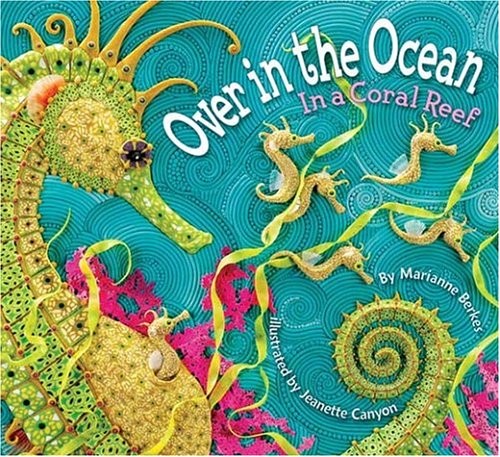
Almost too easy, as the picture book section of your library will have tons of books about the beach and the ocean. Some will have some educational elements blended in, like Over in the Ocean. Check out the nonfiction section for books that talk more about what can be found on the shore — giving you a little scavenger hunt. There are tons of great books about life under the sea, including titles about specific iconic animals like dolphins (try Face to Face with Dolphins). Though I’d steer away from shark books, unless you want to spend your entire vacation explaining again and again how sharks are truly unlikely to swim in ankle-deep water.
2. The Mountains
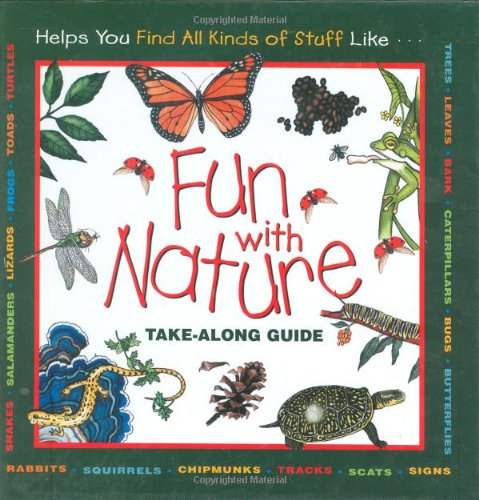
Or maybe the woods, or wherever you might go to encounter Nature in all its glory. If you’re camping, bring along books for identifying trees, rocks, or wildlife tracks. You can also identify the many things that making camping exciting with S is for S’mores: A Camping Alphabet. If you prefer your outdoors in smaller doses and will not be tenting it, make the hikes or even walks more interesting with Fun with Nature, by Mel Boring, which provides a guide to lots of different bugs, reptiles, animals, and trees.
3. The City
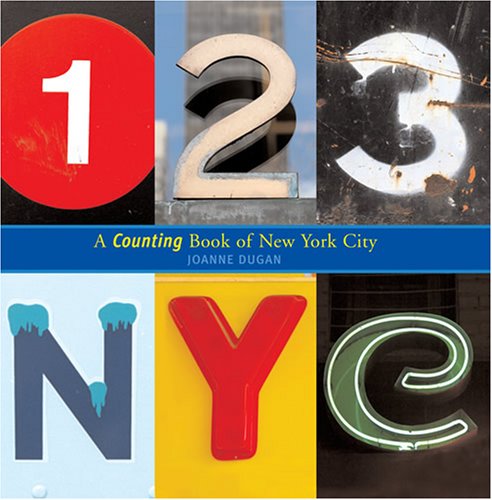
Many big cities will have at least one book about them, but they aren’t always the most engaging of titles. Some are certainly better than others, and I’d give the prize to New York City for having the best and most books that will enhance your trip. ABC NYC: A Book About Seeing New York City and 123 NYC: A Counting Book of New York City, by Joanne Dugan, pair photographs of letters/numbers in their city environment with pictures of urban representations of those letters/numbers. For city kids, it makes more sense to see H for “hot dog” instead of “horse,” and for visitors, it provides a checklist of things to notice about life in the city. Another great and more detailed book is New York, New York! The Big Apple from A to Z, which focuses on the attractions of NYC with added facts and point of interest. It’s like a kids’ version of those travel guides I love so much.
(This post was previously published at PBS Booklights.)
1. The Beach
Almost too easy, as the picture book section of your library will have tons of books about the beach and the ocean. Some will have some educational elements blended in, like Over in the Ocean. Check out the nonfiction section for books that talk more about what can be found on the shore — giving you a little scavenger hunt. There are tons of great books about life under the sea, including titles about specific iconic animals like dolphins (try Face to Face with Dolphins). Though I’d steer away from shark books, unless you want to spend your entire vacation explaining again and again how sharks are truly unlikely to swim in ankle-deep water.2. The Mountains
Or maybe the woods, or wherever you might go to encounter Nature in all its glory. If you’re camping, bring along books for identifying trees, rocks, or wildlife tracks. You can also identify the many things that making camping exciting with S is for S’mores: A Camping Alphabet. If you prefer your outdoors in smaller doses and will not be tenting it, make the hikes or even walks more interesting with Fun with Nature, by Mel Boring, which provides a guide to lots of different bugs, reptiles, animals, and trees.3. The City
Many big cities will have at least one book about them, but they aren’t always the most engaging of titles. Some are certainly better than others, and I’d give the prize to New York City for having the best and most books that will enhance your trip. ABC NYC: A Book About Seeing New York City and 123 NYC: A Counting Book of New York City, by Joanne Dugan, pair photographs of letters/numbers in their city environment with pictures of urban representations of those letters/numbers. For city kids, it makes more sense to see H for “hot dog” instead of “horse,” and for visitors, it provides a checklist of things to notice about life in the city. Another great and more detailed book is New York, New York! The Big Apple from A to Z, which focuses on the attractions of NYC with added facts and point of interest. It’s like a kids’ version of those travel guides I love so much. (This post was previously published at PBS Booklights.)
Links to material on Amazon.com contained within this post may be affiliate links for the Amazon Associates program, for which this site may receive a referral fee.
Posted by
MotherReader
at
10:37 AM
I am freaking out. I’ve known for six months that we’d be going to New York City for two weeks, but it didn’t seem real. I’ve arranged housing, with grateful thanks given to a kind friend and a bicoastal cousin. I’ve met program deadlines and booked theater tickets.
But with the ending of the school year, taking care of the ailing cat, hosting my niece for a week, and having my dad for a short visit, I haven’t had time to really think about the trip. Which I’m doing now. And freaking out.
It’s for business and pleasure, but the business end has nothing to do with me or my husband, who won’t join us until later. The trip is undertaken for the benefit of my twelve-year-old daughter, who was invited to return to the competitive theater program Broadway Artists Alliance. For two weeks she will work on voice, acting, and dance with an audition/performance for agents and casting directors at the end of each week. She will put in long days, with endurance sort of part of the training. After all, kids who can’t hack this kind of intensity aren’t ready for Broadway.
My job is to get her to and from the program, go over her audition pieces with notes from her coaches, and most importantly, to be a calming, gentle refuge at the end of each day. Sounds simple enough, but the anxiety of a new, stressful place in the city heat can tax the most patient of people — of which I am not. But I will do my best.
In any case, I just don’t feel like I’ve thought about this trip enough. Other than our theater tickets, I’ve made no plans for me and my older daughter during the days. I don’t know if/when I will be switching apartments, which will affect other aspects of the trip. I’m worried about the new pieces that tween is learning and also if I remember the right keys to get into the apartment. I’d like to see some New York friends, but in the era of Facebook friends, I honestly don’t know who’d like to see me. So I’m putting it out there that I’m free business hours all day with the most charming TeenReader — who could also use a friend or an agent.
I’m not sure what I will be doing on the blog, though I’m accepting guest bloggers. Again, if you’re interested get in touch. I’m finding it hard to write anything of bookish value. In fact, I’m finding it hard to even read anything. The best literary thing I’ve done is start watching all of the Harry Potter movies over again with the family in preparation for our viewing of the final movie on Sunday. The next day I’ll go to New York with my girls, three suitcases, and perhaps a bottle of Jack. Wish us luck.
Posted by
MotherReader
at
9:08 AM
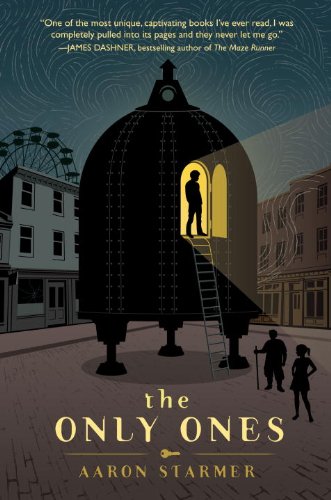
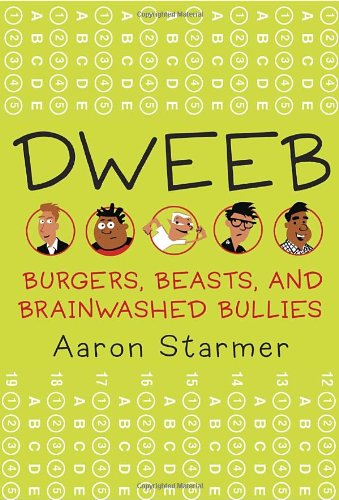
This interview started more than a month ago in a bar in New York City. I was attending the Kid Lit Drink Night after Book Expo America when I ran into someone I actually knew: Eric Wight of the Frankie Pickle books. He introduced me to his fellow author buddies; I did not recognize the names, but the books I knew. Aaron Starmer’s Dweeb is on my actual home bookshelves.
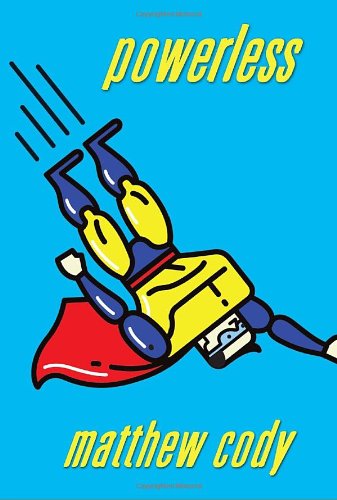
When Matthew Cody told me his book was Powerless, I proved the importance of a good book cover by affirming that it was indeed the book with the blue cover and the superhero flying down. From there we starting talking about Book Expo America itself, where I had found the book promotion on the floor focused strongly on dark and dystopian titles, making it difficult to even locate lighter middle-grade books. I’d say that this is the grain of truth in that Wall Street Journal article BUT this was a week before it hit the Internet, so we get full credit for our subsequent discussion.
In talking about this trend with these two middle-grade authors, I came to find out that both of them had new titles that fit the current tone. From there we had a fascinating conversation, one that I simply had to replicate as best possible for the Summer Blog Blast Tour. Readers here will miss a bit more of the line-by-line conversation of our barroom discussion, but will also be fortunate not to be be shouting said conversation over a throbbing bass line.
Both of you moved to darker novels in middle-grade from your debuts. How did that transition happen for you?
MC: This may sound odd, but when I was looking at doing a follow-up to Powerless, I went darker because I had a desire to do something actually more traditional. I say that may sound odd because when most people think of middle grade — or children’s novels as they were once called — they don’t think about them as dark, but the long history of children’s literature is filled with some very dark stuff, indeed. The unsanitized Grimm’s fairy tales, Alice in Wonderland. These stories are downright creepy in places.
AS: When I was writing The Only Ones, I just had an urge to create something slightly more mature. I wanted to take innocent characters and drop a monumental problem in their laps. The apocalypse! The stewardship of the earth! Because when I was twelve or thirteen, just inching past my innocent but curious phase, every problem was the apocalypse to me. I was thinking about mortality for the first time, and it was terrifying and I felt that my life could be derailed at any moment. It was tragic stories that helped me deal with those feelings. The Pigman. A Separate Peace. Where the Red Fern Grows. They weren’t blood and guts tales, but they were shocking and sad and they had a cathartic effect. My logic wasn’t perfect, but it went like this: If the terrible things happened in the books, then they might not happen in life. And if they did, I might be a little more prepared for them.
Where do you think the line is or should be from middle-grade to Young Adult?
AS: I’m a little confused about that line myself. When DWEEB came out, I’d tell non-publishing people it was “middle-grade“ and I’d get blank stares. Ages nine to twelve seemed a bit arbitrary, so I’d say, “It’s for people who’ve never kissed someone, but might want to kiss someone someday.” I guess that can cover a wide age range, but I kind of like it as a definition. Innocent but curious. Not quite ready. Whatever the age.
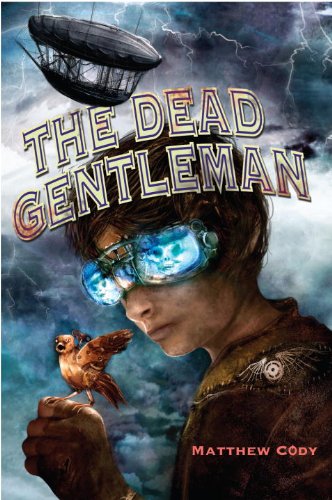
MC: I think the major publishing difference between darker middle grade and darker YA has to do with what kind of “dark” you put in your book. I did not shy away from some really scary things in The Dead Gentleman, but it’s the kind of fantastical fright that is meant to entertain. Kids want to be scared and if you tone it down they feel the patronizing adult coming at them a mile away. If it’s scary, it should be scary.
Building on that, where do the darker ideas belong in middle-grade versus Young Adult?
MC: As best as I can understand it, the current debate in YA (is it really even a debate?) has to do with real-world subject matter, depictions of some very heavy stuff, having to do with some very heavy stuff that real-life teens are going through. As a middle-grade writer, I’m not setting out to address those same issues, at least not as directly. I do think middle-grade works well in dealing with important themes, though. For example, victimization is a strong theme in my work, but it’s explored in superhero and ghost stories. I’m not disguising it, but I find it easier to “talk” to my audience that way. But in the end, truth is truth.
AS: In The Only Ones there’s no swearing, only a couple of PG-rated kisses. In that way, it’s very middle-grade. Yet there’s violence too. And I was concerned about how to portray that. I didn’t want it to be graphic or sensational. I wanted it to arise from natural emotions, but be surprising. I wanted it to have consequences. Violence always does. It’s probably too much for most eight- or nine-year-olds, but I don’t think they’ll be interested in the book enough to get that far. I do hope it will connect with kids straddling that blurry and confusing line in adolescence. And I’m confident that most teenagers and adults won’t care about the lack of sex and drugs and four-letter words and just find an engaging tale. People can talk all day about what audiences “want” and “need.” To me, the answer is good storytelling, plain and simple.
I love how you both came to the same point there. How did you two meet?
AS: Matt contacted me when our debut novels came out and we met for coffee to see if we could think up some genius marketing schemes that would benefit both books. We were new to the kidlit world and were just trying to get our bearings (I still am!). Life and other projects got in the way and we never took it much further than that. But we kept in touch a bit via Facebook and Twitter and we ran into each other at BEA (where we met you!) and saw that our new books had similar themes and would probably once again make a good pair.
MC: Like Aaron said, our first books came out around the same time. We were both included in a nice promotion Random House put together for debut authors, and since we are both New York-based, I thought we should put our heads together and devise a plan to dominate the publishing world (domination pending).
Who inspires you, personally or professionally?
AS: Pretty much anyone who’s stupid enough not to give up. Don’t get me wrong, anyone who loves writing and gets paid to do it is blessed and shouldn’t put up a big stink about how oh so tough it is to be an artiste, but the publishing process is full of so many rejections and knockdowns that it’s easy to say, “Screw this, I’m just going to work at a cupcake shop.” About ten years ago, I was reading a lot of Paul Auster and he talks about that stuff in his book The Art of Hunger. Books like that can be a little too self-aggrandizing, but if writers like Auster had quit early, they wouldn’t have inspired me and maybe I would have quit too, and ended up working at a cupcake shop and... well, then maybe I’d have a show on Bravo, so it wouldn’t be that bad.
MC: I wear my influences on my sleeve. Powerless was an homage not just to superheroes but to the dynamic storytelling styles of Stan Lee and Jack Kirby. The Dead Gentleman takes its cue from adventure/science fiction of the 1800s. Jules Verne, Sir Arthur Conan Doyle’s Lost World stuff. There’s even some weird pulp in there in vein of Clarke Ashton Smith. I love stories with big ideas, that really put my imagination to work. Although I have wider reading tastes as an adult, when I was younger I devoured science fiction and fantasy in all its forms — prose, comics, movies. So when I’m writing for younger readers I guess that’s what strikes my fancy. I’m writing for the twelve-year-old me. (You’re welcome, twelve-year-old me!)
For your upcoming titles, why did you want to write this book?
MC: It came out of my love of a certain kind of fiction (see above) but it also came from a childhood fear of mine — the closet door. My older brothers used to tease me about this, but I was convinced that my bedroom closet hid all sorts of monsters and baddies. (It didn’t help that my closet also led to the attic. Double-threat, there!) After finishing Powerless, I was looking around for my next project and talking with my editor about several possible things I wanted to work on — a historical fiction, a steampunk adventure — but none of them really grabbed me (or my editor!). But then I got to thinking about that closet door again, the closed closet door at night, and how universal that image was and I knew I needed to do something with it. In the end that idea kind of pollinated the steampunk book I was toying around with and The Dead Gentleman was born.
AS: I was in Maine a couple of years ago and I was looking at a painting of this kid who was sort of like a modern-day wild child who lived on an island. And I instantly had this idea about a thirteen-year-old kid who lives in seclusion on an island and he decides to go explore the world, only to find out that the world isn’t there. Everyone is gone. Of course there had to be a few other characters, so I cooked up a village of oddball kids, like “The Little Rascals” as imagined by David Lynch. The world is one big playground for these kids. I had tons of Swiss Family Robinson-style fantasies when I was young and I guess The Only Ones was my way to indulge those fantasies.
What’s next for you?
MC: I’m finishing up a sequel to Powerless now, which will be out in late 2012. And then I’ll be working on another book for Knopf. In the meantime, I’ve been doing some writing for Marvel and DC comics, which has really been a blast. (You’re welcome again, twelve-year-old me.)
AS: Not anything on the publishing schedule at the moment, but at the end of The Only Ones, a new world is introduced. So I’m writing some stories set in that world and they may end up being a sequel/spin-off. I also have a few adventure stories mapped out that I have to find time for, including a whitewater rafting thriller called “Lava Falls” and a modern Western with kids on BMX bikes called “Kickstand Donkeys.”
Of course, the other thing next for these fantastic authors is a lot of publicity kind of stuff come the fall, when their new books are released — The Only Ones in September and The Dead Gentleman in November. Don’t miss them! You can learn more about Matthew Cody and Aaron Starmer at their websites, or by getting to the right Kid Lit Drink Night and sharing a drink with them — which I highly recommend. Thanks, guys!
When Matthew Cody told me his book was Powerless, I proved the importance of a good book cover by affirming that it was indeed the book with the blue cover and the superhero flying down. From there we starting talking about Book Expo America itself, where I had found the book promotion on the floor focused strongly on dark and dystopian titles, making it difficult to even locate lighter middle-grade books. I’d say that this is the grain of truth in that Wall Street Journal article BUT this was a week before it hit the Internet, so we get full credit for our subsequent discussion. In talking about this trend with these two middle-grade authors, I came to find out that both of them had new titles that fit the current tone. From there we had a fascinating conversation, one that I simply had to replicate as best possible for the Summer Blog Blast Tour. Readers here will miss a bit more of the line-by-line conversation of our barroom discussion, but will also be fortunate not to be be shouting said conversation over a throbbing bass line.
Both of you moved to darker novels in middle-grade from your debuts. How did that transition happen for you?
MC: This may sound odd, but when I was looking at doing a follow-up to Powerless, I went darker because I had a desire to do something actually more traditional. I say that may sound odd because when most people think of middle grade — or children’s novels as they were once called — they don’t think about them as dark, but the long history of children’s literature is filled with some very dark stuff, indeed. The unsanitized Grimm’s fairy tales, Alice in Wonderland. These stories are downright creepy in places.
AS: When I was writing The Only Ones, I just had an urge to create something slightly more mature. I wanted to take innocent characters and drop a monumental problem in their laps. The apocalypse! The stewardship of the earth! Because when I was twelve or thirteen, just inching past my innocent but curious phase, every problem was the apocalypse to me. I was thinking about mortality for the first time, and it was terrifying and I felt that my life could be derailed at any moment. It was tragic stories that helped me deal with those feelings. The Pigman. A Separate Peace. Where the Red Fern Grows. They weren’t blood and guts tales, but they were shocking and sad and they had a cathartic effect. My logic wasn’t perfect, but it went like this: If the terrible things happened in the books, then they might not happen in life. And if they did, I might be a little more prepared for them.Where do you think the line is or should be from middle-grade to Young Adult?
AS: I’m a little confused about that line myself. When DWEEB came out, I’d tell non-publishing people it was “middle-grade“ and I’d get blank stares. Ages nine to twelve seemed a bit arbitrary, so I’d say, “It’s for people who’ve never kissed someone, but might want to kiss someone someday.” I guess that can cover a wide age range, but I kind of like it as a definition. Innocent but curious. Not quite ready. Whatever the age.
MC: I think the major publishing difference between darker middle grade and darker YA has to do with what kind of “dark” you put in your book. I did not shy away from some really scary things in The Dead Gentleman, but it’s the kind of fantastical fright that is meant to entertain. Kids want to be scared and if you tone it down they feel the patronizing adult coming at them a mile away. If it’s scary, it should be scary.
Building on that, where do the darker ideas belong in middle-grade versus Young Adult?
MC: As best as I can understand it, the current debate in YA (is it really even a debate?) has to do with real-world subject matter, depictions of some very heavy stuff, having to do with some very heavy stuff that real-life teens are going through. As a middle-grade writer, I’m not setting out to address those same issues, at least not as directly. I do think middle-grade works well in dealing with important themes, though. For example, victimization is a strong theme in my work, but it’s explored in superhero and ghost stories. I’m not disguising it, but I find it easier to “talk” to my audience that way. But in the end, truth is truth.
AS: In The Only Ones there’s no swearing, only a couple of PG-rated kisses. In that way, it’s very middle-grade. Yet there’s violence too. And I was concerned about how to portray that. I didn’t want it to be graphic or sensational. I wanted it to arise from natural emotions, but be surprising. I wanted it to have consequences. Violence always does. It’s probably too much for most eight- or nine-year-olds, but I don’t think they’ll be interested in the book enough to get that far. I do hope it will connect with kids straddling that blurry and confusing line in adolescence. And I’m confident that most teenagers and adults won’t care about the lack of sex and drugs and four-letter words and just find an engaging tale. People can talk all day about what audiences “want” and “need.” To me, the answer is good storytelling, plain and simple.
I love how you both came to the same point there. How did you two meet?
AS: Matt contacted me when our debut novels came out and we met for coffee to see if we could think up some genius marketing schemes that would benefit both books. We were new to the kidlit world and were just trying to get our bearings (I still am!). Life and other projects got in the way and we never took it much further than that. But we kept in touch a bit via Facebook and Twitter and we ran into each other at BEA (where we met you!) and saw that our new books had similar themes and would probably once again make a good pair.MC: Like Aaron said, our first books came out around the same time. We were both included in a nice promotion Random House put together for debut authors, and since we are both New York-based, I thought we should put our heads together and devise a plan to dominate the publishing world (domination pending).
Who inspires you, personally or professionally?
AS: Pretty much anyone who’s stupid enough not to give up. Don’t get me wrong, anyone who loves writing and gets paid to do it is blessed and shouldn’t put up a big stink about how oh so tough it is to be an artiste, but the publishing process is full of so many rejections and knockdowns that it’s easy to say, “Screw this, I’m just going to work at a cupcake shop.” About ten years ago, I was reading a lot of Paul Auster and he talks about that stuff in his book The Art of Hunger. Books like that can be a little too self-aggrandizing, but if writers like Auster had quit early, they wouldn’t have inspired me and maybe I would have quit too, and ended up working at a cupcake shop and... well, then maybe I’d have a show on Bravo, so it wouldn’t be that bad.
MC: I wear my influences on my sleeve. Powerless was an homage not just to superheroes but to the dynamic storytelling styles of Stan Lee and Jack Kirby. The Dead Gentleman takes its cue from adventure/science fiction of the 1800s. Jules Verne, Sir Arthur Conan Doyle’s Lost World stuff. There’s even some weird pulp in there in vein of Clarke Ashton Smith. I love stories with big ideas, that really put my imagination to work. Although I have wider reading tastes as an adult, when I was younger I devoured science fiction and fantasy in all its forms — prose, comics, movies. So when I’m writing for younger readers I guess that’s what strikes my fancy. I’m writing for the twelve-year-old me. (You’re welcome, twelve-year-old me!)
For your upcoming titles, why did you want to write this book?
MC: It came out of my love of a certain kind of fiction (see above) but it also came from a childhood fear of mine — the closet door. My older brothers used to tease me about this, but I was convinced that my bedroom closet hid all sorts of monsters and baddies. (It didn’t help that my closet also led to the attic. Double-threat, there!) After finishing Powerless, I was looking around for my next project and talking with my editor about several possible things I wanted to work on — a historical fiction, a steampunk adventure — but none of them really grabbed me (or my editor!). But then I got to thinking about that closet door again, the closed closet door at night, and how universal that image was and I knew I needed to do something with it. In the end that idea kind of pollinated the steampunk book I was toying around with and The Dead Gentleman was born. AS: I was in Maine a couple of years ago and I was looking at a painting of this kid who was sort of like a modern-day wild child who lived on an island. And I instantly had this idea about a thirteen-year-old kid who lives in seclusion on an island and he decides to go explore the world, only to find out that the world isn’t there. Everyone is gone. Of course there had to be a few other characters, so I cooked up a village of oddball kids, like “The Little Rascals” as imagined by David Lynch. The world is one big playground for these kids. I had tons of Swiss Family Robinson-style fantasies when I was young and I guess The Only Ones was my way to indulge those fantasies.
What’s next for you?
MC: I’m finishing up a sequel to Powerless now, which will be out in late 2012. And then I’ll be working on another book for Knopf. In the meantime, I’ve been doing some writing for Marvel and DC comics, which has really been a blast. (You’re welcome again, twelve-year-old me.)
AS: Not anything on the publishing schedule at the moment, but at the end of The Only Ones, a new world is introduced. So I’m writing some stories set in that world and they may end up being a sequel/spin-off. I also have a few adventure stories mapped out that I have to find time for, including a whitewater rafting thriller called “Lava Falls” and a modern Western with kids on BMX bikes called “Kickstand Donkeys.”
Of course, the other thing next for these fantastic authors is a lot of publicity kind of stuff come the fall, when their new books are released — The Only Ones in September and The Dead Gentleman in November. Don’t miss them! You can learn more about Matthew Cody and Aaron Starmer at their websites, or by getting to the right Kid Lit Drink Night and sharing a drink with them — which I highly recommend. Thanks, guys!
Links to material on Amazon.com contained within this post may be affiliate links for the Amazon Associates program, for which this site may receive a referral fee.
Posted by
MotherReader
at
1:05 PM
When the organizer and inventor of Summer Blog Blast Tour, Colleen Mondor, links to the daily schedule, she includes a quote from each interview. It’s a brilliant way to get someone invested in reading more. Being less brilliant and rather self-involved today, I’ll modify her concept by presenting a quote about the author that is completely out of context. I also reserve the right to mash phrases together just for fun. So here is today’s Summer Blog Blast Tour:
- Tessa Gratton at Writing & Ruminating: “I do love being hot and sneezy”
- Micol Ostow at A Chair, A Fireplace & A Tea Cozy: “I was interested in a dangerous cult.”
- Maria Padian at Bildungsroman: “I like to move around a lot and wave my hands.”
- Genevieve Cote at Seven Impossible Things Before Breakfast: “I can certainly curse along with the best — or worst — of them!“
- Vera Brosgol at lectitans: “I don’t really get excited unless there’s something weird or creepy going on.”
Posted by
MotherReader
at
4:52 PM
Community is the word of week. Certainly, it’s a concept that’s always there, but the talk around Google+ put it right out front. Who’s in your circle? And which circle? And why? Questions that can make a person think. That’s probably a good thing.
It’s also the week of the Summer Blog Blast Tour, where bloggers interview an array of authors and illustrators just because we can. I’ve missed the first two days with travel back home and recovering from said travel, but I can share the schedule for today:
In my day of Getting Things Done Again, I signed up for the fifth annual KidLitCon in Seattle. There was never a question of going, just of making the tiny effort to fill out the form. For folks who need a little incentive, let me point out the keynote speaker, Scott Westerfeld. Like, wow!
KidLitCon Seattle brings me back to the word of the week. Community. Because that’s what this conference is all about. I’ve been to all of four of them, hosted one in DC, and can testify that it is such an amazing experience to connect in person with your online community. The sessions inspire your blogging, but the connections infuse your spirit. I wouldn’t miss either, and neither should you.
Register for KidLitCon now and look forward to this feeling expressed in the perfect words of Amy Ludwig VanDerwater: “Ah… there was a whole VELVETEEN RABBIT feel to the whole kidlitcon day. Everyone is real at last!”
It’s also the week of the Summer Blog Blast Tour, where bloggers interview an array of authors and illustrators just because we can. I’ve missed the first two days with travel back home and recovering from said travel, but I can share the schedule for today:
- Sarah Stevenson at Chasing Ray
- Emily Howse at Bildungsroman
- Ashley Hope-Perez at The Happy Nappy Bookseller
- Olugbemisola Rhuday-Perkovich at Hip Writer Mama
In my day of Getting Things Done Again, I signed up for the fifth annual KidLitCon in Seattle. There was never a question of going, just of making the tiny effort to fill out the form. For folks who need a little incentive, let me point out the keynote speaker, Scott Westerfeld. Like, wow!
KidLitCon Seattle brings me back to the word of the week. Community. Because that’s what this conference is all about. I’ve been to all of four of them, hosted one in DC, and can testify that it is such an amazing experience to connect in person with your online community. The sessions inspire your blogging, but the connections infuse your spirit. I wouldn’t miss either, and neither should you.
Register for KidLitCon now and look forward to this feeling expressed in the perfect words of Amy Ludwig VanDerwater: “Ah… there was a whole VELVETEEN RABBIT feel to the whole kidlitcon day. Everyone is real at last!”
Posted by
MotherReader
at
10:39 AM
The lazy days of summer are a perfect time to bring out some classic chapter books for reading time. These are a few that practically beg to be read aloud, particularly because the reading level is high for the intended audience.
Winnie-the-Pooh
by A. A. Milne
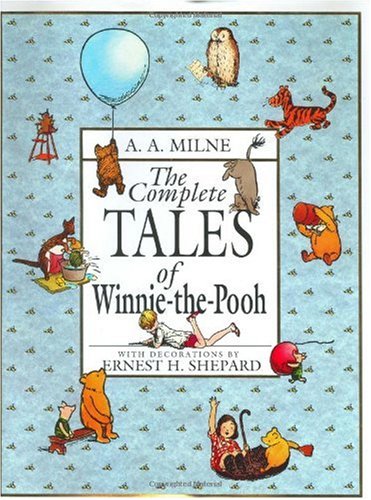
I still hold onto a memory from fifth grade where a teacher saw me reading House at Pooh Corner and complimented me on choosing such a challenging book. These days we think of Winnie-the-Pooh as a preschooler thing, an idea pushed forward by the whole Disneyfication of the characters. It’s a crying shame. The watered-down versions of the classic books ruin our appetites for the real thing. Fight back by reading aloud the true version with its melodious language, gentle illustrations, and sophisticated story-telling.
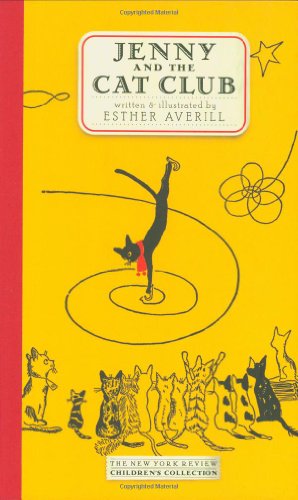
Jenny and the Cat Club
by Ester Averill
When New York Review Children’s Collection republished this book among other classics, I felt like I had found an old friend. I can’t say that I had been searching dusty old bookshops for a copy. To be honest, I had forgotten all about this book until I saw the cover. And there was Jenny, the shy black cat with the red scarf. Oh, how I had missed her! The story follows a shy little cat who wants to be part of the Cat Club and finds friends, adventure, and courage in their world. This book and the other Jenny books are perfect read-alouds for the younger set because the language and plot are simply — yet wonderfully — done.
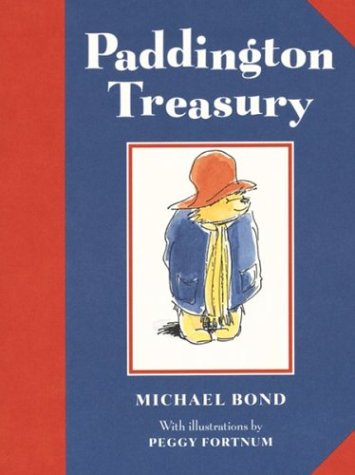
Paddington Treasury
by Michael Bond
Paddington Bear has also received the Winnie-the-Pooh treatment in recent years (what is it about bears?) with a ton of simplified boardbooks and adaptations. Again, you need to go back to the original to capture the heart of these stories of a bear found at a train station who goes on to make every day into exciting adventures as he bumbles along. The tales are wonderful for elementary school children, but the old-fashioned language and references can make reading the books a struggle. As a read-aloud, however, it’s magical.
(This post was previously published at PBS Booklights.)
Winnie-the-Pooh
by A. A. Milne
I still hold onto a memory from fifth grade where a teacher saw me reading House at Pooh Corner and complimented me on choosing such a challenging book. These days we think of Winnie-the-Pooh as a preschooler thing, an idea pushed forward by the whole Disneyfication of the characters. It’s a crying shame. The watered-down versions of the classic books ruin our appetites for the real thing. Fight back by reading aloud the true version with its melodious language, gentle illustrations, and sophisticated story-telling. Jenny and the Cat Club
by Ester Averill
When New York Review Children’s Collection republished this book among other classics, I felt like I had found an old friend. I can’t say that I had been searching dusty old bookshops for a copy. To be honest, I had forgotten all about this book until I saw the cover. And there was Jenny, the shy black cat with the red scarf. Oh, how I had missed her! The story follows a shy little cat who wants to be part of the Cat Club and finds friends, adventure, and courage in their world. This book and the other Jenny books are perfect read-alouds for the younger set because the language and plot are simply — yet wonderfully — done. Paddington Treasury
by Michael Bond
Paddington Bear has also received the Winnie-the-Pooh treatment in recent years (what is it about bears?) with a ton of simplified boardbooks and adaptations. Again, you need to go back to the original to capture the heart of these stories of a bear found at a train station who goes on to make every day into exciting adventures as he bumbles along. The tales are wonderful for elementary school children, but the old-fashioned language and references can make reading the books a struggle. As a read-aloud, however, it’s magical.(This post was previously published at PBS Booklights.)
Links to material on Amazon.com contained within this post may be affiliate links for the Amazon Associates program, for which this site may receive a referral fee.
Posted by
MotherReader
at
12:42 PM
I’m generally no poet, but I wanted to try to capture some of the feeling of my beloved cat Chloe, who passed over to the Great Kitty Beyond on Wednesday. The family is very sad to see her go, but relieved to put an end to a long decline into suffering. In a way, she was my kitty more than the others — as cats do choose Their Person. It’s hard without her, but I know that she had a wonderful, happy life with us, as we did with her. So to Chloe:
Poetry Friday is hosted at A Wrung Sponge. (Which incidentally, is how I feel.)
Heart of a Cat
That day your heart beat so fast.
Pressed against me, a tiny kitten
Squirming against restraint
Yet grateful for the warmth.
Lost, hidden in the darkness,
Emerging to the call of stranger.
As if you knew us even then.
For years you graced us with
A gentle nature, a sweet spirit.
So loving that you would purr
at just the caress of your name.
Opening your heart to a little sister,
who repaid the honor with licks
and cuddles, fur blended together
Eyes in blissful crescent kitty slits.
Sweet, polite even in decline,
Asking for food with the quietest meow
Hovering at the edges of illness
As we went on with chaotic lives.
Only as it was quiet again
Did you fade, stumble.
Even with help, leaving us gently.
Ignoring our tears with love
As your heartbeat slowed to a stop.
My only regret the elusive nature
of memory that can’t capture
the feel of your fur under my hands,
or the vibration in your purr.
But nothing of the sense of you
will be lost to us here,
As your loviness and happiness
Live on in our hearts, forever.
Poetry Friday is hosted at A Wrung Sponge. (Which incidentally, is how I feel.)
Posted by
MotherReader
at
11:03 AM
Reading books about summer during the summer just makes sense. With lazy days, cold pools, and swinging hammocks, who wouldn’t want a double dose of the perfect season? With many great books that take place in the summertime, I’ll be sharing some of my favorites.
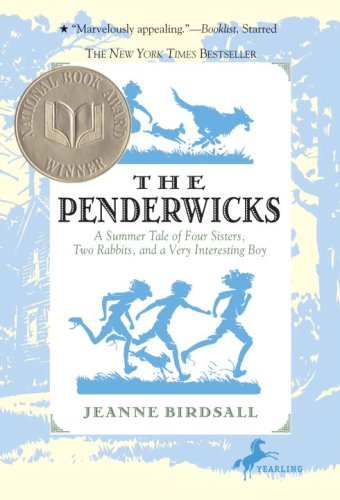
The Penderwicks: A Summer Tale of Four Sisters, Two Rabbits, and a Very Interesting Boy
by Jeanne Birdsall
After their father rents a guest house for a few weeks in the summer, four sisters explore the large estate grounds making friends and having adventures along the way. Absolutely delightful, The Penderwicks has a old-fashioned cover, title, and story, yet keeps a contemporary feel. It could take place anytime — though a few small references do set the tale in the present day — forming a large part of its appeal. The reading level is upper elementary, but would be a perfect read-aloud for younger elementary kids. Simply a perfect summer story artfully told.
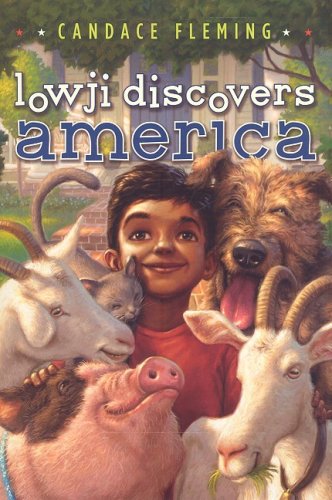
Lowji Discovers America
by Candice Fleming
When Lowji moves to America from India, he looks forward to making new friends and having a pet. Unfortunately, he and his family arrive in the middle of the summer and there are no kids around the neighborhood. Plus, his longing for a pet is thwarted by the cranky landlady who hates animals. Bright and inquisitive, Lowji doesn’t let these obstacles get in his way with interesting and funny results. Sweet and humorous, the book lightly makes the point of keeping a positive outlook. The observations of American ways and slang are interesting from the view of this engaging character. Younger elementary kids can easily enjoy this charming story.
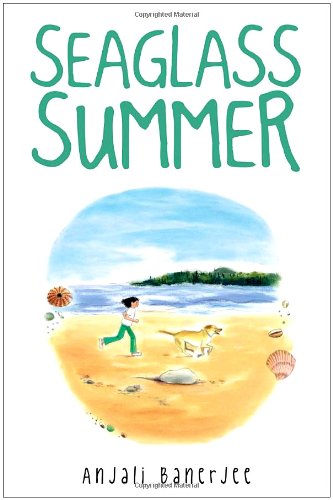
Seaglass Summer
by Anjali Banerjee
When eleven-year-old Poppy skips a trip with her parents to India, she makes the decision with the goal of being a vet like her Uncle Sanjay. What she finds is that it working with animals can be difficult, gross, and heartbreaking. Over the summer Poppy also adjusts to the slow-pace island lifestyle, makes new friends, and learns more about herself. She even comes to handle the animals in emergencies and in passing. This book is a lovely read, but the sections on animals suffering or dying are emotionally intense — especially if you’ve been through it personally. The author handles the topic with grace, but tears may gently flow.
(Selections from this post were previously published at PBS Booklights.)
The Penderwicks: A Summer Tale of Four Sisters, Two Rabbits, and a Very Interesting Boy
by Jeanne Birdsall
After their father rents a guest house for a few weeks in the summer, four sisters explore the large estate grounds making friends and having adventures along the way. Absolutely delightful, The Penderwicks has a old-fashioned cover, title, and story, yet keeps a contemporary feel. It could take place anytime — though a few small references do set the tale in the present day — forming a large part of its appeal. The reading level is upper elementary, but would be a perfect read-aloud for younger elementary kids. Simply a perfect summer story artfully told.Lowji Discovers America
by Candice Fleming
When Lowji moves to America from India, he looks forward to making new friends and having a pet. Unfortunately, he and his family arrive in the middle of the summer and there are no kids around the neighborhood. Plus, his longing for a pet is thwarted by the cranky landlady who hates animals. Bright and inquisitive, Lowji doesn’t let these obstacles get in his way with interesting and funny results. Sweet and humorous, the book lightly makes the point of keeping a positive outlook. The observations of American ways and slang are interesting from the view of this engaging character. Younger elementary kids can easily enjoy this charming story.Seaglass Summer
by Anjali Banerjee
When eleven-year-old Poppy skips a trip with her parents to India, she makes the decision with the goal of being a vet like her Uncle Sanjay. What she finds is that it working with animals can be difficult, gross, and heartbreaking. Over the summer Poppy also adjusts to the slow-pace island lifestyle, makes new friends, and learns more about herself. She even comes to handle the animals in emergencies and in passing. This book is a lovely read, but the sections on animals suffering or dying are emotionally intense — especially if you’ve been through it personally. The author handles the topic with grace, but tears may gently flow. (Selections from this post were previously published at PBS Booklights.)
Links to material on Amazon.com contained within this post may be affiliate links for the Amazon Associates program, for which this site may receive a referral fee.
Posted by
MotherReader
at
11:39 AM
Lately, I am surrounded by need, and I am overwhelmed by it all. A beloved and sick cat makes another mess. People close to me who are struggling with depression tap my energy stores. The homeless shelter that gratefully took the forty-five individual art supply bags for their resident children and teens asks us to return. A local family has extreme needs that I cannot solve.
I’ve helped my kitty as much as I can, and I accept that her time is sadly near. For those struggling with depression, I can offer my support and counsel. I can call and visit, be cheerful or thoughtful. For the shelter, I can feel proud of our accomplishment in my Girl Scout troop’s giving so many kids something a little nice that may help pass the time. I can keep my opened eyes aware of other ways I can contribute, and alert others to the possibilities.
But this needy family is a problem I can’t solve, and I could use some counsel. I’ve been involved for a few months, enough to know that the mom is mentally handicapped and manipulative and untrustworthy. I’ve given the family furniture, which promptly disappeared. I gave them food once, so I get asked for food now whenever the mom doesn’t feel like going to get it. When I offered to drive her to a local food distribution center, she said she’d get another ride. They run up a phone bill, and then ask me or another friend of mine for hundreds of dollars to pay it — which, of course, we can’t. Drugs may or may not be involved in the household, where I see far too many adults hanging around. To the best of my knowledge, social services is involved.
While I’ve talked of the difficulty with the mother, I can never forget that this is a family of school-age kids, with two girls and two boys. I have a connection with one of the girls through my daughter, and we go to pick her up for activities. I don’t know the boys at all, except for the way they hover around me like eager puppies wanting a treat whenever I come by. They seem to crave even just a few minutes of conversation. I try not to come empty-handed, bringing a few books, art supplies, or clothes that “maybe they could use.”
But the more I come, the more they want from me and I’m not sure what more I can give. Over the summer we planned to keep up with my daughter’s classmate, because we have a relationship already and can build on it. Since they don’t have a phone, we have a weekly playdate to go swimming or to a movie or come over and play video games, and always to have dinner with us. Another mom is doing the same with the younger daughter. But what to do with the boys?
I literally don’t have room for all of them in my car, for one. I don’t know them, and I don’t do boys, so I’m at a loss for what I would do with them. The mother’s manipulative and dishonest nature scares me a bit in taking any responsibility for them, because I don’t put it above her to lie in hopes of getting something out of me where my developed trust with the older daughter precludes that. And frankly, I feel emotionally and financially stretched enough.
I would love to get more help from my local community, and yet getting others involves puts that person at the same risk I went through to realize the limitations of the help that can be given. There’s also the issue of privacy in a relatively small community.
I’m mostly writing here as a catharsis, but would be happy for any advice, suggestions, words of wisdom that can be offered. What do you do when the needs are so great that you are weighed down by them?
Posted by
MotherReader
at
10:53 AM
I’ve been ignoring my little front garden. While that is a strategy I often employ to see what will grow next, this time I’ve also avoided the basics of weeding and watering. When my potato plants met an untimely end, I lost a bit of interest. Though, now I notice that the Halloween pumpkin I dumped in the same place has begun to reassert itself. Should be an interesting year in the garden.
One plant that we can count on is the butterfly bush. No matter how much you cut this baby back, it springs to life in the summer. It really does attract butterflies, as do the other butterfly-friendly flowers I have growing. I look forward to seeing these lovely, fluttery visitors each summer, and it reminds me to do a little reading on them.
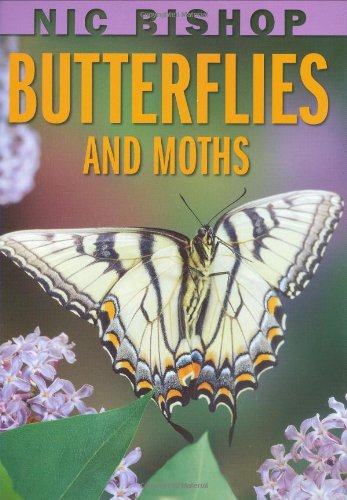
Butterflies and Moths
by Nic Bishop
Amazing photography, interesting facts, and fantastic design make the Nic Bishop books standouts among standouts. In this title, we get magnified photos of moth eggs and caterpillar legs. Or was it the other way around? Either way, stunning camera work. At the end of the book, Bishop shares stories about how he captured some of the best shots, including a story of a last-minute flight to Costa Rica to see a particularly rare caterpillar before it turned to a pupa. The only complaint I have about this series is that the author takes so much time with each book that only a few other titles — Spiders, Frogs, Marsupials and Lizards — are currently available.
One plant that we can count on is the butterfly bush. No matter how much you cut this baby back, it springs to life in the summer. It really does attract butterflies, as do the other butterfly-friendly flowers I have growing. I look forward to seeing these lovely, fluttery visitors each summer, and it reminds me to do a little reading on them.
Butterflies and Moths
by Nic Bishop
Amazing photography, interesting facts, and fantastic design make the Nic Bishop books standouts among standouts. In this title, we get magnified photos of moth eggs and caterpillar legs. Or was it the other way around? Either way, stunning camera work. At the end of the book, Bishop shares stories about how he captured some of the best shots, including a story of a last-minute flight to Costa Rica to see a particularly rare caterpillar before it turned to a pupa. The only complaint I have about this series is that the author takes so much time with each book that only a few other titles — Spiders, Frogs, Marsupials and Lizards — are currently available.Links to material on Amazon.com contained within this post may be affiliate links for the Amazon Associates program, for which this site may receive a referral fee.
Posted by
MotherReader
at
12:16 PM
For me, summer means car trips and lots of them. Our family has gone the portable DVD player route at times, but the girls generally listen to music, read their books, or play Nintendo. But since they were little, we’ve always had some different kinds of books at hand for when traffic takes its toll or the batteries die.
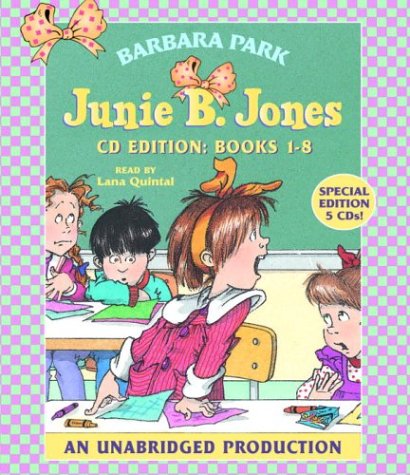
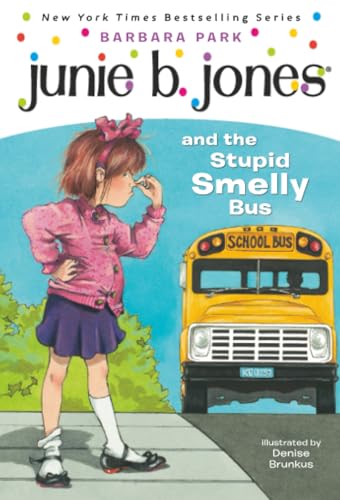
Audiobooks are great for passing the time in the car and feeling like you got some book reading accomplished. I’ve found that the ones that hold our attention are either funny, adventurous, or familiar. With younger kids in the car, it can be difficult to find the book that works for everybody, so compromise must be employed. Personally, we’ve had the most success with the Junie B. Jones series. The books are funny, the reader is great, and the stories are familiar. It’s also helpful that each book is only about thirty minutes of listening time, so they are perfect for that last hour of a trip when everyone is getting cranky. For older kids, I’d also recommend A Series of Unfortunate Events, read by Tim Curry. Again, these work best when you already know the story as it makes it easier for everyone to follow along.
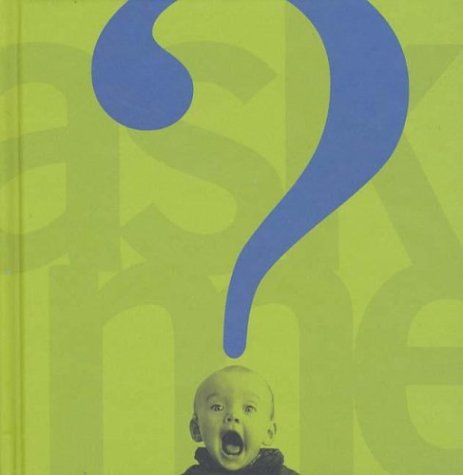
Question books can turn a long car ride into a wonderful opportunity to share stories and memories. Not sure what a question book is? Well, I may be making up the genre, as I’m only aware of two such titles for kids, but both are excellent. Ask Me features an interesting photograph or illustration on one page and a question on the other. Questions like, “What do you wish you could do really well?” and “Where do you like to hide?” Another title, Could You? Would You? by Trudy White, features whimsical drawings along with the questions. Sometimes the questions are offered alone, like “Would you like to dance with animals or look at plants?” But many times include follow-up questions or a few ideas to start you off. So, “What makes you smile?” lists pineapple and big goldfish in a pond. Both books are wonderful to start you talking to each other.
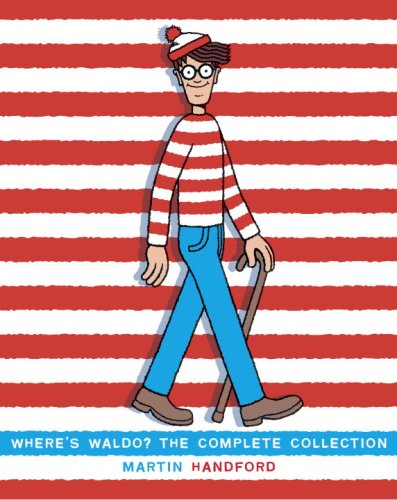
Find-It books are very popular, at least if my library requests are any indication, but a car trip is the perfect place for them. You may buy yourself a reasonably quiet hour only punctuated by an occasional “Found it!” The Where’s Waldo? series is famous, and the I Spy series by Jean Marzollo isn’t far behind. I’ve also seen these types of books for TV shows and movies, ocean life and museums. I keep one in the car at all times, because you never know when even a short trip can go terribly wrong — especially if you live in an area where the famous Beltway is involved.
(This post was previously published at PBS Booklights.)
Links to material on Amazon.com contained within this post may be affiliate links for the Amazon Associates program, for which this site may receive a referral fee.
Posted by
MotherReader
at
9:38 AM
I’m sorry, but as school finishes up for the year, I’m just not in blogging mode. I actually have less to do than during the year, but feel more time urgency on those things that I need to do. With elementary school graduation yesterday and the actual last day of school today, I’m hoping to get my brain back in working order. For now, I’ll continue with another summer stories selection — a book to read in the summer that takes place in the summer.
Turtle in Paradise
by Jennifer L. Holm
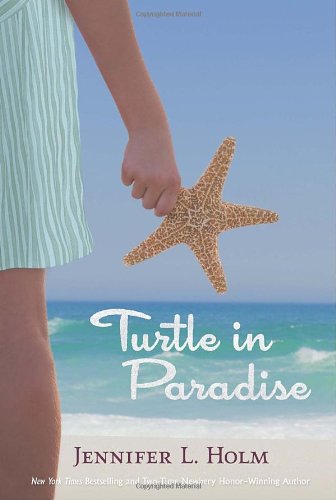
Turtle and her mom have always gotten through tough times together, but now that mom is employed as a live-in maid for a woman who doesn’t like kids, Turtle is sent to live with relatives in Key West. It’s the middle of the depression, and many folks don’t have much, but Turtle is still surprised by the poverty on this little stretch of land. Almost as surprised as she is by finding all of her long-lost relations. With the sea and the trees to provide, the families get by — even if shoes are a rarity — and there is even some fun to be had in seeking payment of sweets for babysitting. There are also literal treasures to be found, for those crazy, brave and bored enough to seek them. And along with her cousins, Turtle finds herself right in the middle of all of the adventures. Turtle’s family situation and a terrifying hurricane give weight to the lighter touch of the book. But it’s the light touch that makes this book special for bringing out the depth and feel of the characters without weighing them down in their poor and/or uncertain surrounding. The people and places jump off the page with such a sense of being there. I can picture the kids pulling the wagon around as if I had watched a movie of it — which, by the way, there should be one. In any case, an enjoyable read that exposes a lost place in time.
Turtle in Paradise
by Jennifer L. Holm
Turtle and her mom have always gotten through tough times together, but now that mom is employed as a live-in maid for a woman who doesn’t like kids, Turtle is sent to live with relatives in Key West. It’s the middle of the depression, and many folks don’t have much, but Turtle is still surprised by the poverty on this little stretch of land. Almost as surprised as she is by finding all of her long-lost relations. With the sea and the trees to provide, the families get by — even if shoes are a rarity — and there is even some fun to be had in seeking payment of sweets for babysitting. There are also literal treasures to be found, for those crazy, brave and bored enough to seek them. And along with her cousins, Turtle finds herself right in the middle of all of the adventures. Turtle’s family situation and a terrifying hurricane give weight to the lighter touch of the book. But it’s the light touch that makes this book special for bringing out the depth and feel of the characters without weighing them down in their poor and/or uncertain surrounding. The people and places jump off the page with such a sense of being there. I can picture the kids pulling the wagon around as if I had watched a movie of it — which, by the way, there should be one. In any case, an enjoyable read that exposes a lost place in time.Links to material on Amazon.com contained within this post may be affiliate links for the Amazon Associates program, for which this site may receive a referral fee.
Posted by
MotherReader
at
9:18 AM
To continue the Summer Stories Series, today’s Thursday Three highlights books about the zoo — a popular place to visit in the long days of summer.
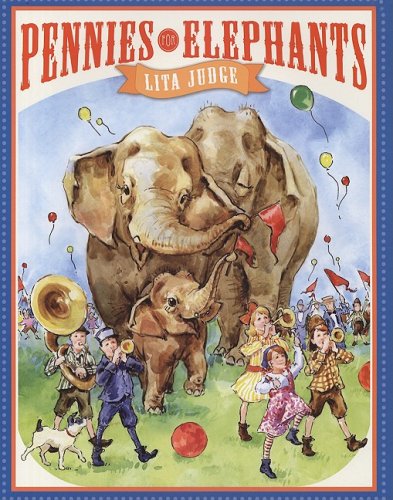
Pennies for Elephants
by Lita Judge
In 1914 the children of Boston raised more than $6,000 to buy elephants for the Franklin Park Zoo. This is a fictional story of two of those children, and a lovely one at that. In a time when every penny mattered, children did chores, had fundraisers, sold lemonade, and donated their birthday money to buy elephants for their zoo. The Boston Post ran daily stories for three months and listed all donors in its pages. Beautiful illustrations take the reader into a time nearly a century ago, when things seemed simpler. Artistically rendered newspaper articles reinforce the history and reality of the day. As the children collect enough money, it’s a triumph that echoes through time. The message of personal responsibility and making a difference are shown, not lectured. The concept is inspirational, and is captured well in words and art in this magnificent book.
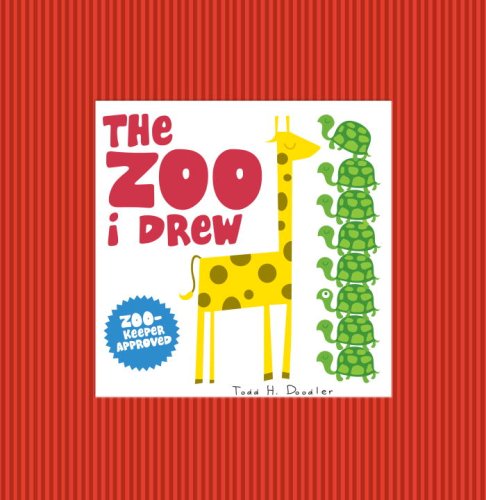
The Zoo I Drew
by Todd Doodler
With its unique fluted cover giving the book a tactile experience before you’ve even begun, it may be hard to get your child to stop running his hands over the surface so you can start reading. Okay, it was hard for me to open the book because I couldn’t get over the unusual cover. But once inside, we’re treated to a bright and bold trip through the alphabet and the zoo. The artist takes a few liberties along the way, but it’s well known that someone needs to name an animal species Xervies to save alphabet books everywhere. Each page tells a little bit about the featured animals in a casual way. Or that’s how I’d prefer to read the text, because it’s actually set up in rhyming pairs that often seemed forced in rhythm or in rhyme. If you don’t try to sing-song the text, the bits about different animals are fun and minimally educational. Kids will be transfixed by the pictures. (Note: libraries are going to have a hard time with this book because the cover is not going to keep its loveliness with check-outs and shelvings. Sorry.)
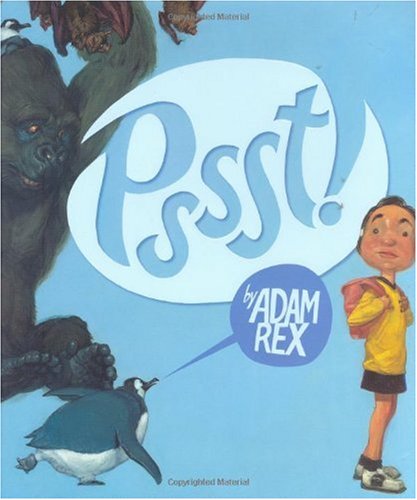
Pssst!
by Adam Rex
A trip to the zoo like no other is represented in this fantastic picture book. As a girl tours through the zoo, the animals call her over (“Pssst!”) and ask her for different things — a new tire, trash cans, and more. Each animal has an explanation for what they need, though the ending of the book presents a different idea. The humor in ingrained in every aspect of the book. In the sketched portions of the book, look for the clever signs (“I Am the Walrus, koo-koo-kachoo”) and offbeat artistic representations (a rhino rolling around in a huge hamster ball). As the girl converses with the animals, the pencil sketches are mixed with breathtaking painted illustrations with the drama building in art and story to the funny ending. This book has something for everyone and is one of my personal favorites.
(This post was previously published at PBS Booklights.)
Pennies for Elephants
by Lita Judge
In 1914 the children of Boston raised more than $6,000 to buy elephants for the Franklin Park Zoo. This is a fictional story of two of those children, and a lovely one at that. In a time when every penny mattered, children did chores, had fundraisers, sold lemonade, and donated their birthday money to buy elephants for their zoo. The Boston Post ran daily stories for three months and listed all donors in its pages. Beautiful illustrations take the reader into a time nearly a century ago, when things seemed simpler. Artistically rendered newspaper articles reinforce the history and reality of the day. As the children collect enough money, it’s a triumph that echoes through time. The message of personal responsibility and making a difference are shown, not lectured. The concept is inspirational, and is captured well in words and art in this magnificent book.The Zoo I Drew
by Todd Doodler
With its unique fluted cover giving the book a tactile experience before you’ve even begun, it may be hard to get your child to stop running his hands over the surface so you can start reading. Okay, it was hard for me to open the book because I couldn’t get over the unusual cover. But once inside, we’re treated to a bright and bold trip through the alphabet and the zoo. The artist takes a few liberties along the way, but it’s well known that someone needs to name an animal species Xervies to save alphabet books everywhere. Each page tells a little bit about the featured animals in a casual way. Or that’s how I’d prefer to read the text, because it’s actually set up in rhyming pairs that often seemed forced in rhythm or in rhyme. If you don’t try to sing-song the text, the bits about different animals are fun and minimally educational. Kids will be transfixed by the pictures. (Note: libraries are going to have a hard time with this book because the cover is not going to keep its loveliness with check-outs and shelvings. Sorry.)
Pssst!
by Adam Rex
A trip to the zoo like no other is represented in this fantastic picture book. As a girl tours through the zoo, the animals call her over (“Pssst!”) and ask her for different things — a new tire, trash cans, and more. Each animal has an explanation for what they need, though the ending of the book presents a different idea. The humor in ingrained in every aspect of the book. In the sketched portions of the book, look for the clever signs (“I Am the Walrus, koo-koo-kachoo”) and offbeat artistic representations (a rhino rolling around in a huge hamster ball). As the girl converses with the animals, the pencil sketches are mixed with breathtaking painted illustrations with the drama building in art and story to the funny ending. This book has something for everyone and is one of my personal favorites.
(This post was previously published at PBS Booklights.)
Links to material on Amazon.com contained within this post may be affiliate links for the Amazon Associates program, for which this site may receive a referral fee.
Posted by
MotherReader
at
10:23 AM
For my summer reading, I love books that take place in the summer. I don’t think it’s meta so much as reinforcement. Summer is for imagination and fantasy and play and deserves a distinct world from that occupied by school problems and worries. So, over this summer I’ll be sharing some of my favorite summer stories for all ages.
First is a book I booktalked just yesterday at an elementary school, and it went down like gangbusters. I start my booktalk by asking the fourth and fifth graders what they are afraid of. I get answers like heights, spiders, lightning, etc. Then I introduce some of the stranger fears from the book like loose cows, killer robots, and falling into the toilet. After calming down the giggles from saying “toilet,” I go on to explain that Gabriel King is afraid of all of those things and more, but the thing that scares him most is moving up a grade to the school where the big kids will bully him, and then I go on to talk more about the book. Here’s my mini-review:
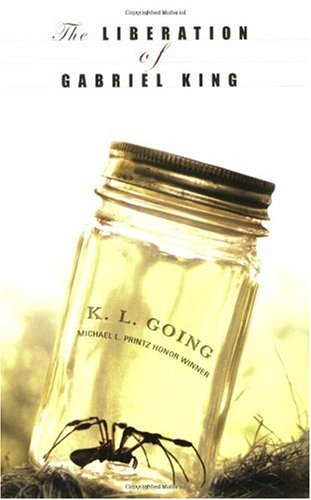
The Liberation of Gabriel King
by K. L. Going
Gabriel King is afraid of everything — spiders, robbers, cows — but his biggest fear is moving up to the next grade, where he’ll be in the same school as the bullies who pick on him. His best friend Frita decides to take the summer to liberate Gabriel from his fears by facing each and building up to his biggest one. She’s rarely afraid, but one of her biggest fears is about to confront the pair head on as their cross-racial friendship catches the attention of the wrong people. Set in the deep south in 1976, this book is a comedy, drama, and historical fiction. With a deft and light touch, the story tackles fear, hatred, racism, but ultimately is about courage. And friendship. A Printz Honor Book from 2005, this absolutely wonderful book should not be missed.
First is a book I booktalked just yesterday at an elementary school, and it went down like gangbusters. I start my booktalk by asking the fourth and fifth graders what they are afraid of. I get answers like heights, spiders, lightning, etc. Then I introduce some of the stranger fears from the book like loose cows, killer robots, and falling into the toilet. After calming down the giggles from saying “toilet,” I go on to explain that Gabriel King is afraid of all of those things and more, but the thing that scares him most is moving up a grade to the school where the big kids will bully him, and then I go on to talk more about the book. Here’s my mini-review:
The Liberation of Gabriel King
by K. L. Going
Gabriel King is afraid of everything — spiders, robbers, cows — but his biggest fear is moving up to the next grade, where he’ll be in the same school as the bullies who pick on him. His best friend Frita decides to take the summer to liberate Gabriel from his fears by facing each and building up to his biggest one. She’s rarely afraid, but one of her biggest fears is about to confront the pair head on as their cross-racial friendship catches the attention of the wrong people. Set in the deep south in 1976, this book is a comedy, drama, and historical fiction. With a deft and light touch, the story tackles fear, hatred, racism, but ultimately is about courage. And friendship. A Printz Honor Book from 2005, this absolutely wonderful book should not be missed.Links to material on Amazon.com contained within this post may be affiliate links for the Amazon Associates program, for which this site may receive a referral fee.
Posted by
MotherReader
at
9:30 AM
I’m going to guess that most normal schools are out now, or nearly so. Having school into late June seems to be simply a lovely Virginia tradition. Bah!
Anyway, this is when we start hearing about the summer slide with regard to reading. I think this feels more critical when you have a child who is already struggling with reading. While I’m not a reading specialist, I’ve had a kid who needed a little more focused attention in this area, and as such will share some thoughts.
1. Make the Time
I am asked often enough how I find time to read. My answer is more like a mission statement: You don’t find time to read, you make time to read. Reading needs to be part of your schedule like eating or bathing, because in its own way it’s as important. Sure, you can go a day without reading, but why would you want to? I prefer bedtime as the ideal reading time. It’s easily remembered, and it’s a great way to wind down. The evening hour can also offer a spouse or older sibling an opportunity to participate. Now in the summer your options open up and it’s a great time to take advantage of that. Look at the morning before the pool opens. Or a quiet time after soccer camp. Evenings on the front porch. In a tent with a flashlight. Summer is the chance to make time for reading every day, but to have more freedom to mix it up.
2. Bring Home the Books
Even if you have tons of titles at home, summer offers a wonderful opportunity to explore the public library. Having something new to read — that you have for a limited time — is more exciting. The library also gives you the chance to try something different. Pick out some folk tales from other countries. Try the new horse series. Investigate life in China or under the sea. Don’t overrule a book your child picks as being too young for him, but also reserve the right make some selections yourself.
It’s often said that boys are more interested in nonfiction than stories, so head over to the 500s of your Dewey Decimal system. It’s rich with science books for kids including topics like space, dinosaurs, insects, snakes, and mammals. And these aren’t the boring books you might remember from your childhood with long pages of text on one side, and one second-rate photo on the other. Today’s children’s nonfiction works with innovative layouts, multi-level text, and amazing photography. Ask your librarian to direct you to other nonfiction sections as well, including poetry, art, history, and biographies. Bring home a variety of books and plenty of them. (If you’re worried about keeping track of them, our library books live in a basket by the couch and that’s where they are read.)
3. Mix It Up
I love reading, and yet there is a stage of learning to read that makes me clench my teeth. It’s exciting when your child is first sounding out words. Later, it’s wonderful when you are reading together and she asks the meaning of a particular word. The part that is hard for me is a particular middle phase, where my daughters would sound out the same word for the third time within five pages. We each made it through this period (successfully) and I held my tongue (mostly), but it led me to my greatest discovery of mixing up our reading time.
As my youngest daughter was in the easy-reader stage for a long time, we learned to keep it interesting and fun. She’d read one book to me, then I’d read a picture book to her. Sometimes we’d take turns with her easy reader book. Sometimes she’d sound out words in the picture book. Other times, I’d read a chapter book to her and we’d discuss what happened in each chapter before moving on. There were even times when she would read to herself, and I’d read my own book alongside her. Occasionally, her older sister would step in to do the easy reader part while I washed the dishes. (A dollar payment most well spent.) We used this time to improve other reading skills besides sounding out and word recognition. Picture books are great for discussing art and illustration cues to the story. With their concise stories, picture books are wonderful to reinforce the concepts of story arcs, prediction, and comprehension. We’d talk about our favorite picture or the funniest part. I might remind her of a similar book or a personal connection, and soon she was doing the same thing. What could have been an exhausting stage for both of us, turned into a wonderful time of exploring, discussing, analyzing, and yes, reading.
(This post was previously published at PBS Booklights.)
Posted by
MotherReader
at
12:30 PM
Is 42, the age I turn today, and I am taking that milestone to share my wisdom from this journey so far. I’ve come to learn that I don’t have an answer for the Why of life, but I’m coming ever closer to the How to live it. Lately I’ve come to realize that saying four specific things has the power to change the nature of your closest relationships, and in that, the way you experience your life.
Please
This word turns a demand into a request. It also validates our reliance on others and a need to be treated with respect. Saying, “Could you please do the dishes?” gives the person being asked a chance to do something for the asker, and respect for that person’s time and energy have been conveyed. It’s become a rote word, but upon reflection it conveys so much more.
Thank you
This phrase is the simplest expression of gratitude. Used frequently, it rewards and uplifts not only the people being thanked, but those doing the thanking, who must acknowledge their own gratitude. Whether it is expressed for washing the dishes, listening to a rant, or accepting a gift, we create harmony in our relationships and ourselves in our gratitude.
I’m sorry
This phrase isn’t uttered enough. Its power is in acknowledging our own imperfections as human beings and forgiving that imperfection in ourselves and others. It shouldn’t be saved for big things, but used instead to remind our loved ones and ourselves of our desire to do better. “I’m sorry I snapped at you. It was a bad day,” gives both parties a chance to move on — and when conveyed to a child, gives them the tools to understand and reciprocate.
I love...
This incomplete phrase captures the order from childhood to “say something nice.” It gives us the power to express passion, caring, and joy. To compliment, encourage, or uplift. It goes from the simple yet powerful, “I love you,” to the seemingly mundane, “I love brownies.” In telling others what we love, we remind ourselves how much there is to love.
The dynamics of my household, with four artistic personalities and two tween/teen girls, has been saved by the power of these words. Practically used, without any other agenda, they will change the way you interact with the ones closest to you. But as you dig deeper, you find that they reflect greater truths of relationships, humanity, and personal growth. Take it from someone who knows. Or at least, someone who has arrived at the answer to life, the universe and everything.1
- With acknowledgment to Douglas Adams, The Hitchhiker’s Guide to the Galaxy. ↩
Links to material on Amazon.com contained within this post may be affiliate links for the Amazon Associates program, for which this site may receive a referral fee.
Posted by
MotherReader
at
12:08 PM
I must repeat that even though the contest is called the 48 Hour Book Challenge, it is hard for me to conceive of people reading for the entire time. Stunning! This year four people read and blogged for the entire forty-eight hours! No breaks that didn’t come with an audiobook soundtrack and no sleep — which is just a little bit crazy, but in a good way. Okay, to be fair, the second two reported a hair less than the 48 hours, but by executive decision, they win too.The winners of The Sixth Annual 48 Hour Book Challenge are:
- Everyone has a Blue Castle...
Featuring an archivist masquerading as a reference librarian
- Books Like Breathing
Featuring an opinionated New Yorker with a caffeine addition
- Chance Encounter
Featuring a librarian who likes sensible shoes, but can’t manage a bun
- The Purpled One
Featuring a second-time winner from Maryland
Prize winners, please write me at MotherReader AT gmail DOT com with your address and the books you’d most be interested in receiving. If you’d like a personalized copy, please note to whom you’d like it signed; I’ll do my best to accommodate. Books donated by authors are: The Latte Rebellion, by Sarah Jamila Stevenson; Scars, by Cheryl Rainfield; Dragon Speaker: The Last Dragon, by Cheryl Rainfield; Little Chicken’s Big Day, by Katie Davis and Jerry Davis (with bonus onesie!); I Fooled You: Ten Stories of Tricks, Jokes, and Switcheroos, anthology signed by Carmela Martino.
I’m also giving an “Almost Made It” prize to a blogger who worked so hard to read the whole time, and then dozed off in the night. So a signed and personalized copy of When Life Gives You OJ, by Erica Perl (with drawstring backpack and water bottle!) to Over the Moon and Sun!
For the Sixth Annual 48 Hour Book Challenge we had eighty people complete the challenge, with many blogs listing totals of twenty hours or more. Here they are, in order of their finish line sign-in:
- MotherReader • 28 hours
- Blue Castle • 48 hours
- Reading Chick • 24 hours
- Libr*Fiti • 21 hours
- Over the Moon and Sun • 45 hours
- True Book Addict • 25.25 hours
- So Many Books • 32.25 hours
- Leeswammes • 22.25 hours
- Ms. Yingling • 35 hours
- Stacked • 30 hours
- Chance Encounter • 47.5 hours
- Handmade by Mikaiya • 22 hours
- Book Nut • 23.5 hours
- Joy’s Book Blog • 21 hours
- Abby the Librarian • 31 hours
- I Write in Books • 20 hours
- Just an Obsurvashun • 26.75 hours
- Books Like Breathing • 48 hours
- Babylon Reader • 21 hours
- The Children’s War • 30.5 hours
- Library Book Nook • 25.5 hours
- Confessions of a Bibliovore • 20.75 hours
- Zappo’s Read-a-Rama • 21.5 hours
- RovingFiddlehead KidLit • 21 hours
- Blog From the Windowsil • 25.5 hours
- SonderBooks • 30.5 hours
- Library Chicken • 32 hours
- Crowding the Book Truck • 29.25 hours
- WhatYA Reading • 21.5 hours
- The YaYaYa’s • 21 hours
- Bookshelves of Doom • 25 hours
- Libri Dilectio • 22 hours
- A Random Hodgepodge of Bookishness • 23.25 hours
- Amanda Pearl’s Books • 20 hours
- The Purpled One • 47.75 hours
- MotherReader • $80 to Donors Choose
- So Many Books • 50 Euros to Barnardos
- Chance Encounter • $145 dollars and 5 bags of dog/cat food to Animal Resource Foundation
- Joy’s Book Blog • $60 to Joplin Schools Tornado Relief Fund
- Babylon Reader • $100 for Birthday Wishes (birthday parties for children in shelters)
- Library Book Nook • $51 to medical expenses for library aide
- Confessions of a Bibliovore • $55 dollars to Make Way for Books
- RovingFiddlehead KidLit • $118 for Room to Read
- Two Canadian Readers • $75 to UNICEF
- Boys Rule, Boys Read! • donations to Charlotte Mecklenburg Library
- Just Deb • $48 to Slave Lake Library
Links to material on Amazon.com contained within this post may be affiliate links for the Amazon Associates program, for which this site may receive a referral fee.
Posted by
MotherReader
at
2:21 PM
You made it! On this Finish Line post, leave the direct link to your final summary page, which should include: the amount of time spent on the challenge, books read, amount collected for charity, and which charity it will benefit.
I am donating one dollar to my designated Donors Choose school for everyone who finishes the challenge, which means to me that you signed in as a participant, read/blogged some books, and signed in at the Finish Line. So perhaps that little extra incentive can get folks to record their time and complete the 48HBC all official-like. Given different starting times over the weekend and time zones, the end is set at Monday, June 6th, at 7:00 a.m. Eastern Standard Time. All final summary posts should be up by then. That said, sometimes there are folks who need some nudging, so I won’t announce any winners until after noon on Monday, June 6th.
Thanks again to everyone who participated and supported and promoted the 48 Hour Book Challenge! Read on!
Posted by
MotherReader
at
2:12 PM
With a bit of weekend still before me, I was able to give twenty-seven hours to the challenge and read seven books. While there were some books I didn’t love, there was nothing I hated either. I pulled together a decent variety of styles and reading levels, though this year I did go for longer books. Which was fine. I also didn’t reduce my to-be-read pile by much since I felt the need to bring home completely different books from the library. Oh, well.
I did like focusing on books that I had heard a lot about, so that I felt less compelled to write reviews and could focus on reactions. Being sleep-deprived has never aided my reviewing — I always put off the posting part — and framing the posts as thoughts instead was rather freeing. Though sometimes I do need to force myself to stop reading, and start posting. Butt In Chair, as they say.
At this point, I could easily keep going, which is a nice way to end. I will continue with checking in on all the participants over the next ten hours, and will be back with a winner on Monday. Thanks to everyone for playing along again!