Sometimes I choose the hardback when the paperback is also available, so check if that is important to you. I’ve also linked to the fun extras through Amazon, for example, to save you shopping time, and because I get some small credit for your purchases through the Amazon Associates program. But know that you can find cheaper alternatives for some small things — paints, pens, journals, etc. — at a local discount store. On the other hand, doing all your purchases online and having them sent to your door is priceless.
I'm always looking for new ideas, so leave suggestions in the comments. I hope you'll share this link as you promote giving books as gifts for the holidays and that you find some great ideas for your own friends and family. Enjoy!
Multi-Age
- Give an experience like a trip to a zoo, aquarium, museum, aviary, arena, or city. Put the passes, tickets, or homemade gift certificate with a relevant book to make it feel more tangible.
- Take a road trip with Ask Me so you can use the driving time to ask each other the interesting questions from the book.
- Give a book with a movie theater gift card to see the upcoming film.
- Give a book with a gift card to rent the movie. Include a box of microwave popcorn.
- Give One Hen — How One Small Loan Made a Big Difference with a loan to Kiva or a donation to Heifer International to buy chicks.
- Pair any book with another book from the bargain section, maybe something silly or crafty or gimmicky.
- Pair a detective book with a magnifying glass.
- Match poetry books with word beads or magnetic poetry.
- Pair a picture book with a related stuffed animal.
- Give an interesting, insightful book with a restaurant gift card and a date to discuss the book together over a meal.
- Honor the book enthusiast with necklace along with a new title.
- Celebrate writing too with special journals from Tara Books, an independent press based in India.

- Learn letters with ABC, Baby Me! board book or The Sleepy Little Alphabet and letter links.
- Or work with numbers (and colors) with 10 Hungry Rabbits and magnetic numbers.
- Or let them battle it out with 123 vs ABC and bath toys
- Give The Day the Crayons Quit and the sequel The Day the Crayons Came Homewith a pack of fat crayons and a stack of copy paper from an office supply store.
- Or go with Art and Max or Blue Chicken with a paint set.
- Pair Up in the Garden and Down in the Dirt and/or The Curious Garden with gardening tools and seeds.
- It’s almost dessert when you give The Cow Loves Cookies with a cookie counting game.
- What else can go with Extra Yarn but extra yarn? Well, and knitting needles and instructions.
- Pair Kite Flying and/or Kite Day with a new kite.
- Give Bats at the Ballgame with a bat and ball. You can throw in a coupon book for practice sessions.
- Take a light-hearted bedtime book like Goodnight Already! or A Bedtime for Bear and add a night light.
- Or choose A Full Moon is Rising or Moonlight with glow-in-the-dark moon and stars — or go high tech with this Moon in my Room.
- Get moving with Giant Dance Party with Kids Dance Party CD.
- Keep up the music by giving Drum City with an old-time tin drum.
- Pair Bubble Trouble with touchable bubbles.
- Ballet dancers will love the classic Angelina Ballerina or the slightly edgyVampirina Ballerina (or both) with a fancy tutu or two… two.
- Give little superheroes SuperHero ABC along with a superhero cape.
- Encourage a future Iron Chef by giving Rainbow Stew or Oscar and the Very Hungry Dragon with a cooking set.
- Silliness ensues with Ten Pigs: An Epic Bath Adventure and the Pass the Pigs game.
- Take it outside with Chalk with 3-D sidewalk chalk.
- Pair Goodnight, Goodnight Construction Site or Building with Dad with toy construction vehicles.
- Give The Monstore with the monster game.
- Who can resist that match-up of Abe Lincoln Crosses a Creek with Lincoln Logs?
- Give your little dragon-lover Have You Seen My Dragon?, Lovabye Dragon or Guess What I Found in Dragon Wood with a cute dragon.
- Is there a doctor in the house? There will be with picture book Doctor Ted along with a doctor kit.
- Future firefighter instead? Give Fire! Fuego! along with Firefighters A to Z and firefighter gear.
- Pair picture book Crafty Chloe with a selection of craft supplies.
- What else can go with Pop! The Invention of Bubble Gum other than lots of bubble gum.
- Cat lovers can enjoy picture books Here Comes Santa Cat, Katie Loves the Kittens, and A Castle Full of Cats with a cat card game.
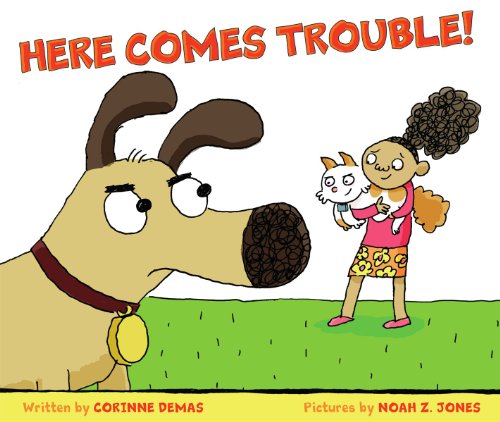
- Or let the dogs out with Dogs, Here Comes Trouble!, and If You Give a Dog a Donut and a dog themed game.
- Add a car to a child's train set, but include Steam Train, Dream Train or Elisha Cooper's Train.
- Nature lovers will enjoy Birdsongs along with a guidebook like Backyard Birds and some binoculars.
- For more nature, pair A Butterfly is Patient and/or Butterfly Park with a butterfly garden kit.
- Give your favorite girly-girl Fancy Nancy and the Posh Puppy with dress-up jewelry and/or a fancy poodle.
- Give your rough little boy Bad Pirate along with genuine pirate gear.
- Another nighttime choice is Goodnight, Little Monster with an Ugly Doll.
- Give picture book Flashlight with a special flashlight and a promise for a nighttime walk or two.
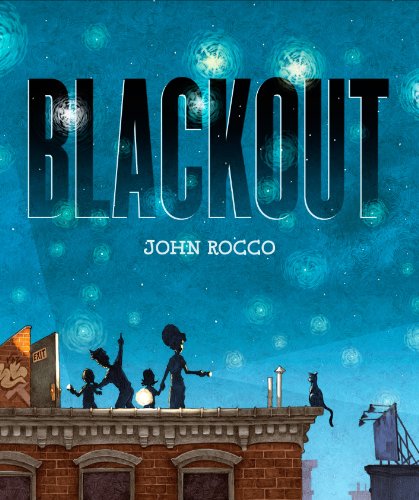
- Or for a different angle with that flashlight, pair with Blackout and prepare for indoor fun with the lights out.
- Take fun picture book Fold Me a Poem and pair it with an origami kit.
- Picture books A Sick Day for Amos McGee or Panda-monium at Peek Zoo would be perfect with a zoo animal collection or game.
- Or head down to the Farm, adding a Lace and Trace Farm Set.
- 999 Frogs Wake Up goes nicely with Flingin' Frogs game.
- For a western theme, give A Night on the Range or Rodeo Red with a cowboy hat.
- Take a special book, like The Lion and the Bird (about a friendship and seeing each other again), and make a recording of you reading it.
- Pair Duck and Goose with a bright ball.
- Celebrate the season with the beautiful Dusk and appropriate lights or decorations.
- The funny wordless book Once Upon a Banana is a perfect fit with a stuffed monkey — but show your sense of humor by throwing a banana into the gift bag.
- Another wordless book choice is the visually stunning Pool, which begs to be given with googles and a trip to the nearest indoor swimming pool.
- Give The Snow Globe Family with a snow globe.
- Pair Lilly’s Big Day with dress-up clothes.
- Or another dress-up option is the Ladybug Girl books with wings and antennae.
- Pair Bubble Bath Pirates with a cool rubber duck.
- Give the wonderful The Day the Babies Crawled Away with a baby doll.
- Everyone needs Mo Willems’ book Don’t Let the Pigeon Drive the Bus, maybe adding a toy bus.
- Pair classic A Bargain For Frances with a tea set.



- Pair a nonfiction book about dinosaurs, like Boy! Were We Wrong About Dinosaurs, with a bunch of plastic ones.
- Give Instructions with a book of classic fairy tales, and make time to read them together.
- Introduce a folktale with Maneki Neko: the Tale of the Beckoning Cat and giving lucky cat bank.
- Pair silly beginning reader book The Monster in the Backpack with a cute backpack (monster additional).
- Give beginning reader books Amazing Sharks! and National Geographic Readers: Sharks! and throw in a shark on a stick.
- Take to the ice with book choices Katie Kazoo, On Thin Ice and passes to the local ice-skating rink.
- Give a title from the Soccer Cats series with a soccer ball.
- Pair Toys Go Out with a red bouncy ball, or a plush stingray or buffalo.
- Pair Take Me Out of the Bathtub and Other Silly Dilly Songs with a kazoo.
- Give early chapter book series books Rainbow Fairies or Flower Fairies with lovely little fairies.
- Blooming fashionistas will appreciate Paper Fashions (Klutz) (all thirty-five Amazon reviews gave five stars!) along with Fashion Kitty.
- Combine sweet Jenny and the Cat Club with a red scarf (don’t worry if it’s too long — so is Jenny’s) and a black cat.


- Satisfy a sweet tooth with The Candymakers with a candy making kit.
- Pair Operation YES! with green army men.
- Be a hero and give Percy Jackson and the Olympians Boxed Set with Heroes, Gods, and Monsters of the Greek Myths.
- Pair fantasy book The Strange Case of the Origami Yoda with a Stars Wars 'Ask the Force' top.
- Give What the World Eats with a promise for an international dinner out or in.
- Pair Every Soul a Star with The Kids Book of the Night Sky and plan a date to look at the stars together.
- For business-minded kids, pair The Lemonade War with a coin counter bank.
- Expand the idea of giving with The One and Only Ivan with an adopt-an-animal program at your local zoo.
- All the elementary school kids will love The Invention of Hugo Cabret, but you can pair it with tin wind-up toys for extra flair.
- Give Moxy Maxwell Does Not Love Stuart Little with um, Stuart Little.
- You can’t go wrong with the funny poems and outstanding art in Frankenstein Takes the Cake along with a cake-baking session, followed by reading the book together. As a matter of fact, throw in Frankenstein Makes a Sandwich and make a whole day — and meal — of it.
- Speaking of the amazing Adam Rex, give the hilarious book The True Meaning of Smekday with a the related T-shirt Regarding Stickyfish Teams, I Favor the Bigfield Fighting Koobish.
- Give Kimchi & Calamari with a promise for a dinner out Korean style, or Italian style, or both.
- Wrap up A Crooked Kind of Perfect with excellent toe socks.
- Perhaps Fabulous Hair with a collection of hair accessories will make someone smile.
- Pair a diary-format book like My Explosive Diary (2nd/3rd grade), Amelia’s Notebook (4th/5th grade), or The Princess Diaries (6th/7th grade) with a journal and fun pens
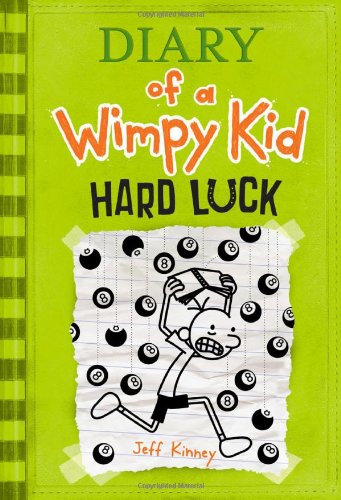
- For a boy, how about the new Diary of a Wimpy Kid: Old School with the Do It Yourself Journal?
- Have fun with Clarice Bean Spells Trouble and a game of Scrabble.
- Pair Phineas MacGuire... Erupts! with a science kit, or the next book in the series, Phineas MacGuire... Gets Slimed! with the slime science kit.
- Look to fantastic nonfiction, giving Team Moon: How 400,000 People Landed Apollo 11 on the Moon with a homemade coupon for a visit to the Air and Space Museum (okay, this might only work around Washington, D.C.) or astronaut ice cream.
- Give a drawing book like Draw 50 Aliens or Draw 50 Animals with a couple of nice sketch pads.
- Pair a spy-themed book like Harriet the Spy, Spy School (chapter book) or The Real Spy’s Guide to Becoming a Spy (nonfiction) with rear-view sunglasses and/or a fingerprint kit.
- Bigger girls like stuffed animals, too. How about Hoot with an owl or The World According to Humphrey with a hamster?
- Select a magic book and fun magic tricks.
- Pair D.I.Y.: Kids with a gift card to a local craft store, and maybe some shopping and crafting time together.
- Match the book and the movie, like The Spiderwick Chronicles with the DVD.
- Pair a theme book like Katie and the Mustang with a horse charm and a satin cord from a craft store.
- Or maybe Fairy Realm with a charm bracelet.
- Give the first books of The Series of Unfortunate Events with a brass telescope.
- Pair The Art Book for Children with watercolor paints or an art set.
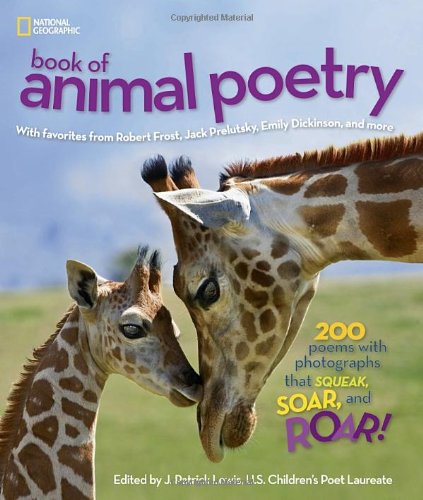
- Give National Geographic's Book of Animal Poetry, Forget-Me-Nots: Poems to Learn by Heart or Poetry Speaks to Children with hot chocolate, a mug, and a gift certificate for time to read it together.


Teen
- Buy a tween Better Nate Than Ever and/or Jack & Louise: Act 1along with tickets to a show.
- Give the companion books Goth Girl Rising and The Astonishing Adventures of Fanboy and Goth Girl , and throw in How to Draw Comic Book Heroes and Villains.
- Pair a book that you and a teen can enjoy with a gift card to Starbucks and a promise to talk about the book over coffee. Some suggestions? Liar, Candor, or The Adoration of Jenna Fox have interesting issues.
- Give Beauty Queens with a small makeup kit, and a healthy dose of irony.
- Rock out with Beige along with a mix CD of the songs in the chapter titles (or an iTunes gift card).
- Pair House of Dance with ballroom dance lessons.
- Give delicious book A La Carte with personal cooking lessons.
- Match casino gambling themed Drop with a deck of cards and a family game of penny poker or blackjack.
- Pair King Dork with a CD of The Mr. T Experience.
- Treat a tween to Middle School is Worse Than Meatloaf along with pink nail polish, lipstick, post-it notes, and special bubble bath, as mentioned in the book.
- Pair The Chicks with Sticks Guide to Knitting with yarn, knitting needles, and a promise for some lessons.
- Give Ductigami: The Art of Tape with... well, rolls of duct tape.

- Give nonfiction book The Beekeeper's Lament with real honey from a whole foods store.
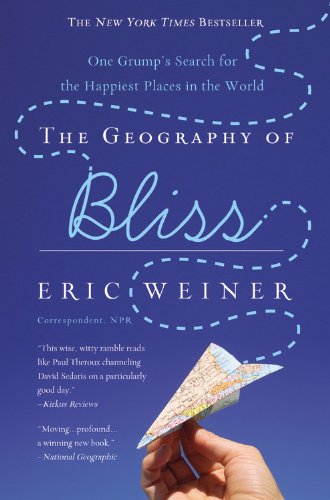
- Buy two copies of The Geography of Bliss: One Grump’s Search for the Happiest Places in the World — one for you, one for a friend — and make a lunch date to talk about the book and one’s personal quest for happiness.
- Pair Life is Sweet with chocolate, any kind.
- Give This I Believe II with the first book This I Believe and a journal to capture great revelations of inner truth.
- Recapture that one exciting election year when we had hope with Dreams From My Father and Life’s The American Journey of Barack Obama.
- Match travel memoir-themed books with the... um, drink of the region. Like In a Sunburned County with Yellow Tail wine from Australia or The Sex Lives of Cannibals: Adrift in the Equatorial Pacific with coconut rum. (Adults only for this gift, obviously.)
- Colbert fans and soon-to-be converts need the new book, America Again: Re-becoming the Greatness We Never Weren't along with the greatest gift of all, the DVD A Colbert Christmas: The Greatest Gift of All.
- Give The Devil Wears Prada, Bitter Is the New Black: Confessions of a Condescending, Egomaniacal, Self-Centered Smartass, or Why You Should Never Carry a Prada Bag to the Unemployment Office, and This Little Piggy Went to Prada in a Prada bag (from eBay! C’mon, a girl can dream...)
- Wrap your book up in solid paper and tie a cool scarf around it. I love this blue and white striped one, which would look great with silver paper for Hannukkah.
- For just a little something extra, make these headbands the ribbons around your wrapped package.
- Try reusable shopping bags — wrap in one, attach another in its pouch as a gift. These bags fold up into little strawberries. Cute!
- Or tuck a book or two in an Peace Love Books tote.
- Wrap a cookbook in photocopies of your favorite recipes. A knitting book with your own favorite patterns. Or hey, wrap a book about finances in dollar bills.
- Wrap your book up in a clever Threadless t-shirt. Want a literary theme? The Pictures and Coversations one is particular cool.
- If you’re going the book gift card route, how about tucking it in a Keep Calm and Read Books coin purse
- Maybe you just want to attach a little something to the gift for fun. I suggest a keychain, bookmarks, an ornament, bangle-bracelets, locker magnets, or lip gloss. You can find these online, but personally, I go to the very back of Claire’s stores where they often have incredible discounts on such little things.
- Okay, I listed keychains, but there are also reading-themed ones like this one.
- And yes I mentioned bookmarks, but not a Reading Ninja bookmark.
- Don’t have the time or energy to deal with the mall? Find a little booklight to tie on the package. I like the look of this one

- Give recycled book postcards like these Paris Ladies.
- Everyone isn’t on GoodReads, so here’s a little reading journal.
- For home, locker or cubicle cabinets, some reading-themed Bottle Cap Magnets.
- Bibliophiles don’t need to hide their love of the page with a Bookish necklace.
- Or proclaim a love of words on your ears with Shakespeare earrings.
- A sweet art print for people who love to read.
- Or for another take, a print of a favorite animal on vintage book pages, especially one for book lovers
- Maybe give a tote to carry those tomes, but one with book club tribute.
- Maybe give a book loving mugs with literary tea.
- Send out some love to the ereaders with a special cover of words.

Links to material on Amazon.com contained within this post are affiliate links for the Amazon Associates program, for which this site may receive a referral fee.




 Posts
Posts